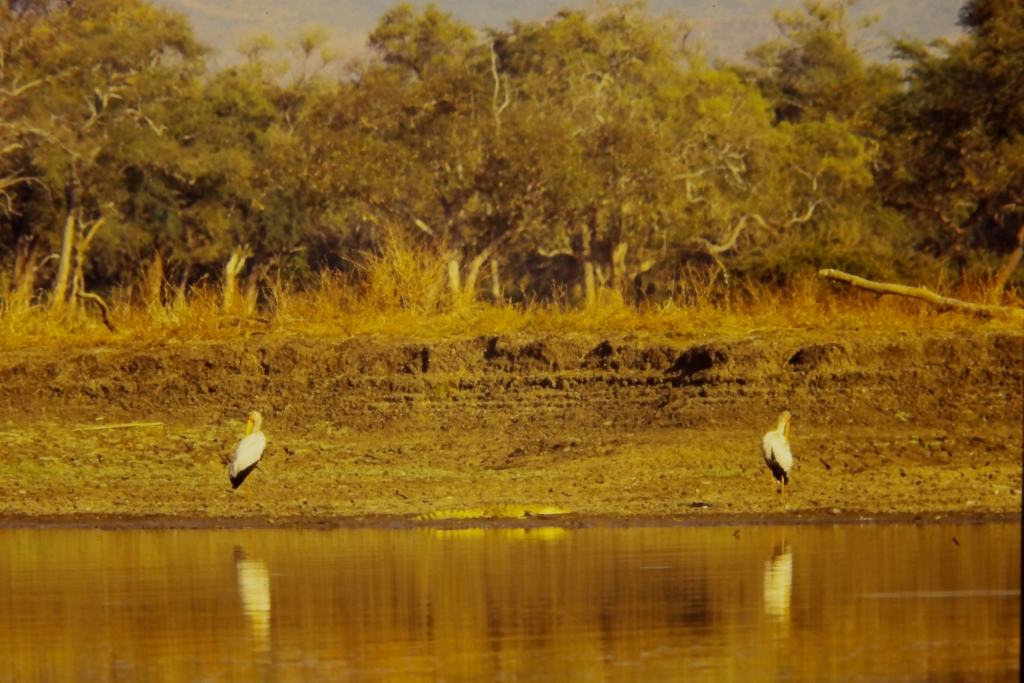

Back in the day we took photos on film. 35mm in my case. As an older man I now have a stack of transparencies and negatives.
The Memories Project is aimed at scanning and publishing a good selection of those film images.
Nyangombe Swimming Pool – Old Photos
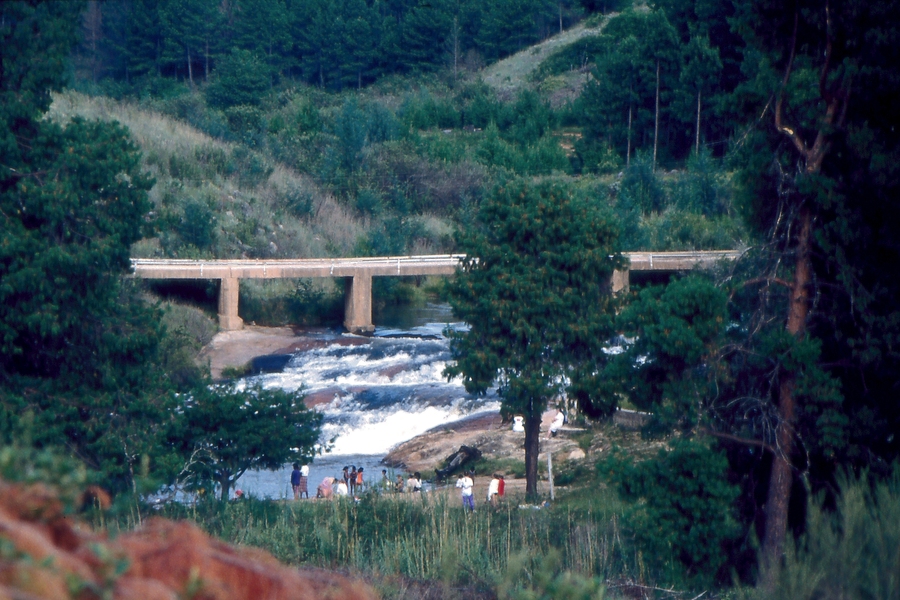
Nyangombe Swimming Pool
Taken in 1994, these photos show the Nyangombe Swimming Pool, located in the Nyanga National Park in Zimbabwe. Few places in Zimbabwe can generate more memories for me. I have seen three generations of my family enjoy this pool on our frequent visits to Nyanga, starting in the late 1960’s, until we emigrated the “noughties”
Where is it?
The Nyanga National Park is in the Eastern Highlands of Zimbabwe, a mountainous area and home to Mount Nyangani, the highest mountain in Zimbabwe. Nyanga is less than three hours drive from Harare, the capital city. The area offrs a range of accomodation, from camp sites to to top class hotels, with many private cottages. The Zimbabwe Parks and Wildlife Management Authority also offers decent accomodation in the form of cottages and lodges. A number of dams offer fly fishing for trout, being stocked from a local hatchery. The area is great for its peace, hiking, horse riding and views. One way or another, all of our visits always seemed to end at the Nyangombe Swimming Pool at some point.
Memories
Sitting with my Dad on the rocks at the waterfall. Noticing many small (harmless) leeches gathering on our legs. I must have been 9 or 10 years old.
Sliding down the rocks, then swimming back and doing it again. That’s a mountain stream, so that water is COLD.
Braais with friends on the beach – meat and beer.
The pool becomng a torrent of water after rains. Jumping in with a boogie board and being swept down the river.
That bridge used to be the main access road to Nyanga Village. Lying on the rocks with a friend and hearing a lot of banging and crashing on the bridge. Looking up to see the bottom of a large heavy vehicle. The heavy had collided with another vehicle on the bridge. We left. Fast. And many more memories. Truly a special place in my past.
Enjoying the swimming pool with my own teen and pre-teen children.
Great memories, with many more to fill a book!
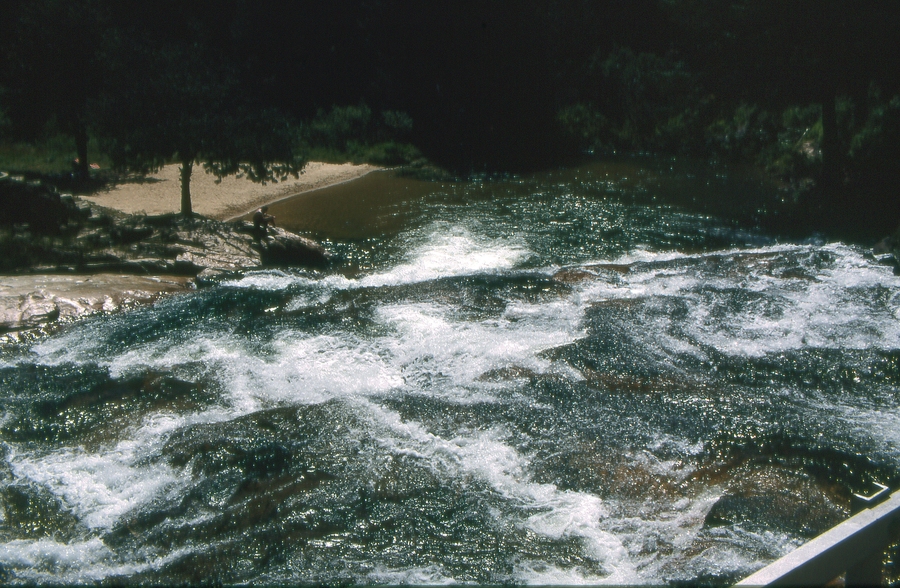
Here’s another view of the pool, with the water catching the sunlight.
This is an update of a post, first published on 25 August 2013.

Love the images? Check out my Sales Galleries
Udu Dam Acacia Trees
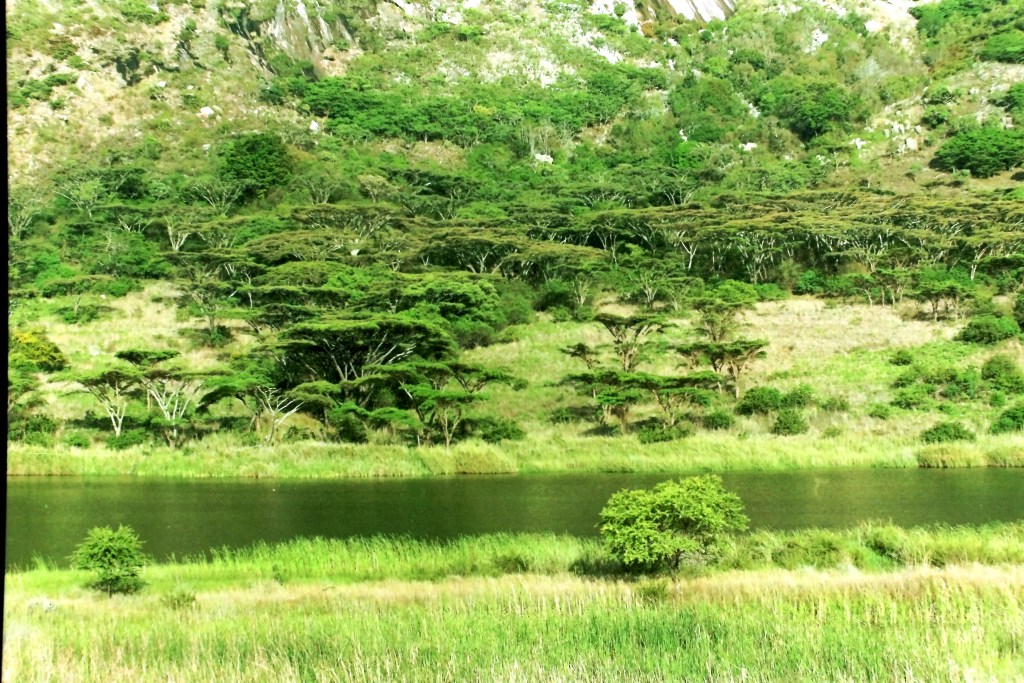
Udu Dam Thorn Trees
A grove of acacia thorn trees at Udu Dam in Nyanga, Zimbabwe, against the background of a granite dome. That’s a place wher I walked on a few occasions. It is beautifully cool and shady in the tropical sum. But not to be underestimated. It is, after all, the African bush. Those thorns are pretty vicious, and, on one occasion I did surprise a reasonably large Boomslang snake.
Memories
Udu Dam brings back many memories.
Alone at the dam
In 1978, towards the end of the Rhodesian war, i took a week long trip to Nyanga with a friend. At that time there was no camp at Udu. We spent a glorious morning there, just the two of us, swimming and sunbathing and having breakfast. Perhaps not the safest thing to do, but it was fun.
Udu Camp
After the war I took a trip to Udu with my Dad to survey the site for the construction of cottages. The dam is situated in the Nyanga National Park, so the Zimbabwe Parks And Wildlife Management Authority were considering building cottages there. What is now the Udu Camp.
With the family
Fast forward a few more years, with my family in tow, we had a few great Nyanga getaways, staying in the cottages. My kids loved Udu. It was always a peaceful spot, and with just a few cottages that peace was generally not spoiled.
Love the images? Check out my Sales Galleries
Zimbabwe Bush Road
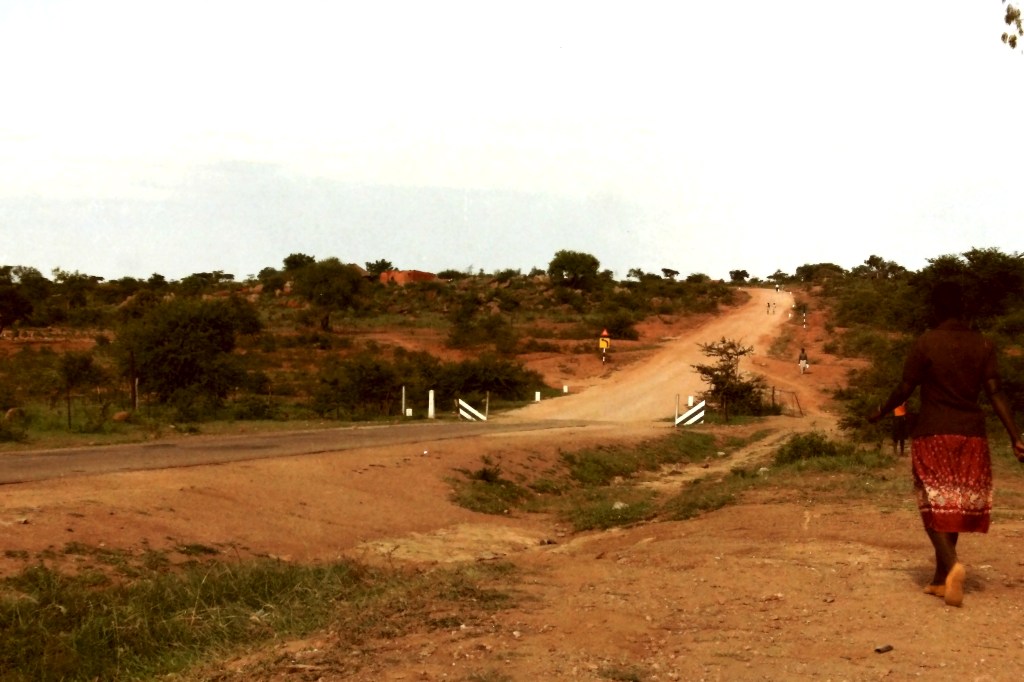
Zimbabwe Bush Road
The dirt road, cattle grid, road sign and local residents walking. Somehow this is a picture of Zimbabwe which sticks in my mind. When I was a child, about 7 years old, my Dad was managing the construction of the Silalabuhwa and Thuli-Makwe dams. During school holidays I often went with him on site visits. What a pleasure – a day out in the bush, some of it spent with Dad, as well as a drive in his Ford F100 truck. Happy days. This view is quite common in many forms, and seems to have stuck in my mind. This particular stretch of road is just outside Bulawayo.
Add some sparkle to your walls. Have a look at my sale galleries.
The Memories Project
This post is part of the hairy1travels Memories Project – to capture those unseen negatives and transparencies from before my digital photography days.
Bush Sunset
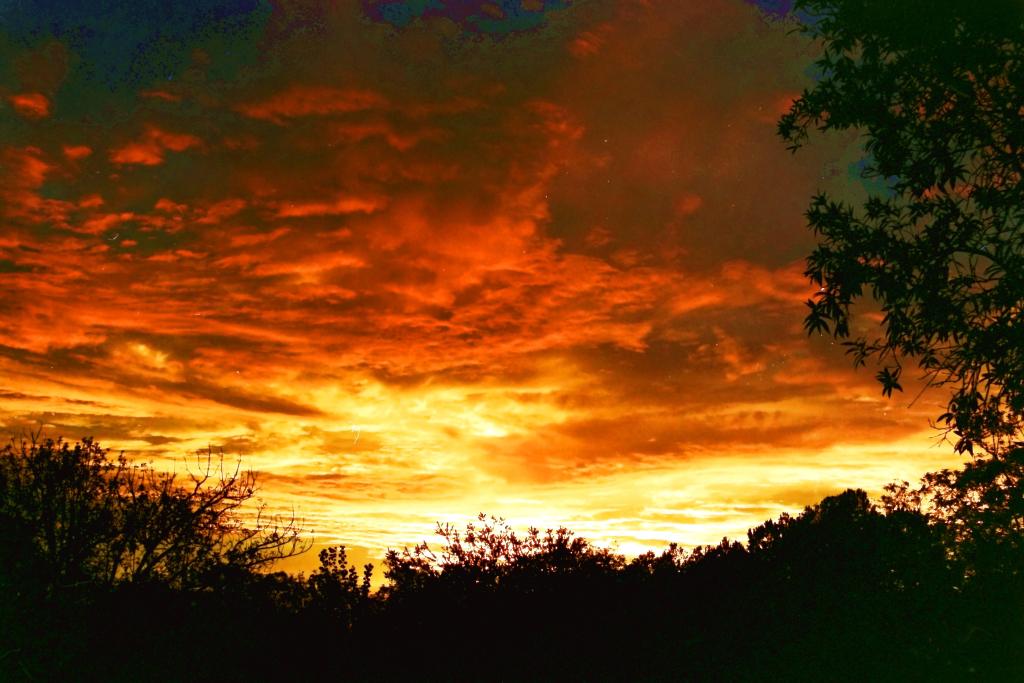
Bush Sunset
A tremendous sunset over open land somewhere in the bush.
Actually I have no clue when or where this was taken. I believe it was around 1987 on a plot we were living on at the edge of Greendale, in Harare, Zimbabwe.
It may well have been taken in Dundee, South Africa around 1990, while we were living there.
Nevertheless it remains a favourite of mine, with its colour transition from white and yellow, through orange to night time darkness.
Add some sparkle to your walls. Have a look at my sale galleries.
The Memories Project
This post is part of the hairy1travels Memories Project – to capture those unseen negatives and transparencies from before my digital photography days.
Mana Pools Elephant Stretching for food
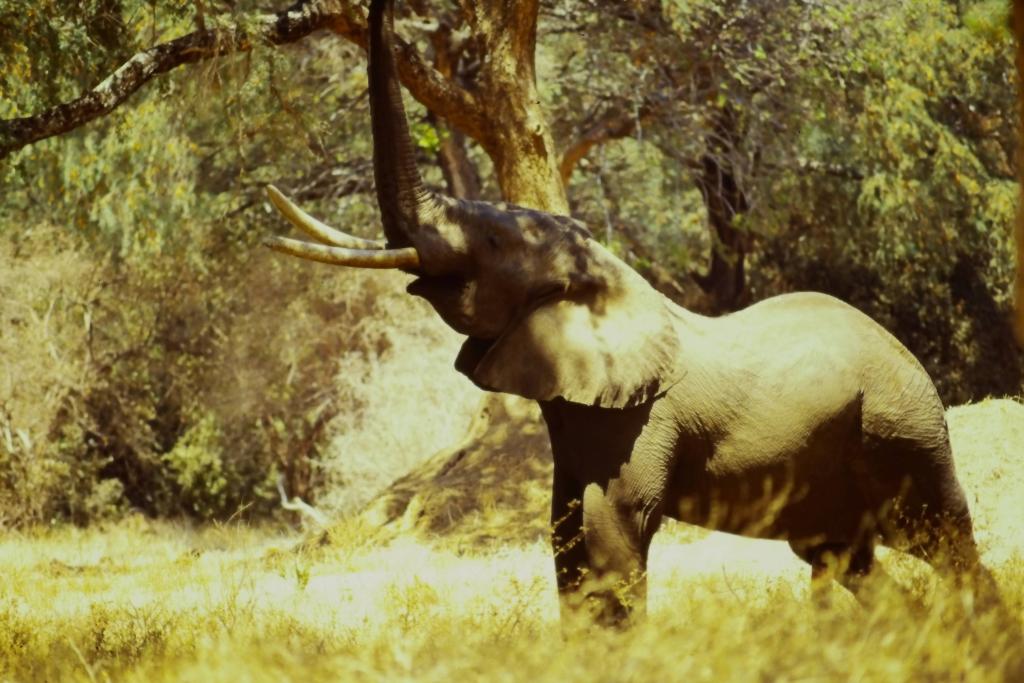
Mana Elephant Reaching for Food
A common sight at Mana Pools is an elephant stretching into a tree for food. Mana Pools is iconic for its open forests of Acacia Albida Trees (Faidherbia albida, or Apple Ring Acacia), which the elephant love to eat. It’s not uncommon to see an elephant standing on its hind legs to reach the fruit. The Apple Ring name comes from the fact that the seed pods look like a slice taken from an apple.
The Browse Line
First-time Mana Pools visitors would be excused for thinking that the huge Acacia trees are neatly trimmed to enable walking safaris. These trees provide sustenance for many animals, so the high “browse line” is actually a result of various animals, especially elephant, trimming the trees to the height which they can reach.
The Apple Ring Acacia Tree
The tree, unlike most, sheds its leaves during the rainy season. It is full uf fruit and leaves during the dry season, providing sustenance to the elephant, amg other animals.
Add some sparkle to your walls. Have a look at my sale galleries.
The Memories Project
This post is part of the hairy1travels Memories Project – to capture those unseen negatives and transparencies from before my digital photography days.
Hwange Impala Herd in Morning Light
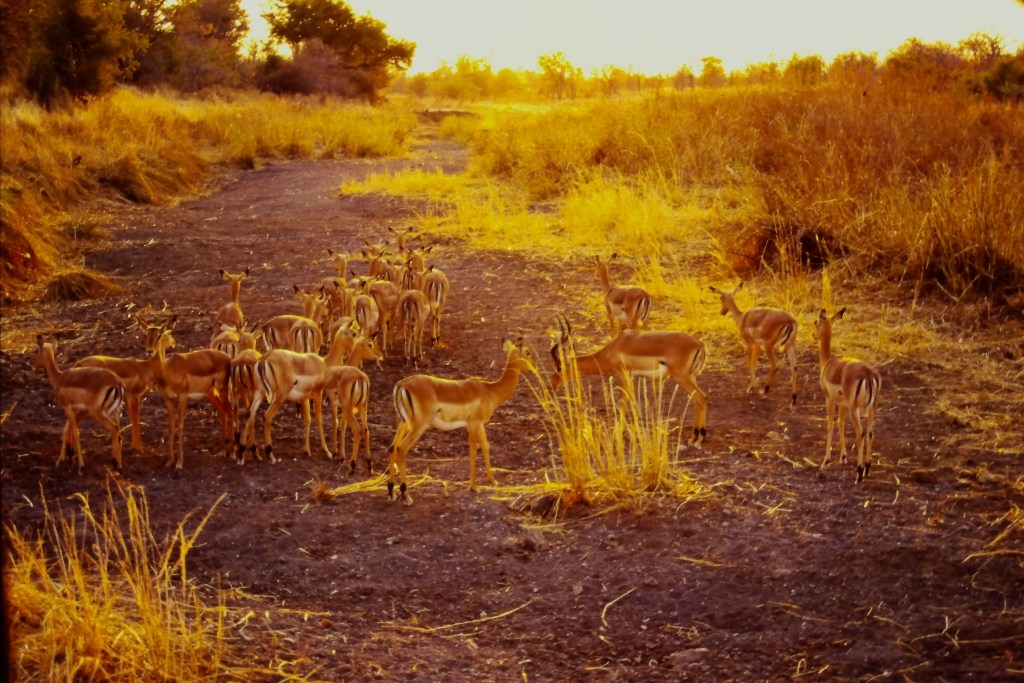
Out for an early morning game drive. Here is a herd of Impala caught in beautiful golden morning light, highlighting their colours, but also showing their camouflage ability. Actually we didn’t want to cook breakfast so we took a drive to nearby Robins Camp to have breakfast in the restaurant there, Crossing a low bridge we came across this herd of Impala in the riverbed. Being September they would all be female with the bull visible, identified by his horns, behind the big grass tuft.
Impala
Impala are a common sight as you travel in the Zimbabwe bush, soo common that we often call then “rats”. In fact I have been on a number of farms where the farmer is happy for hnters to come in and keep the population under control. They can eat crops and eat the grass grazing for cattle.
Taking the Photo
The camera, or sometime two, with different lenses and film loads, lay on the seat beside me, allowing a quick grab and shoot approach. Put simply, it was a matter of grab the shot, then assess for different framing, exposure, etc. Actaually this is a useful approach with digital photography too.
Add some sparkle to your walls. Have a look at my sale galleries.
The Memories Project
This post is part of the hairy1travels Memories Project – to capture those unseen negatives and transparencies from before my digital photography days.
Mana Pools Elephant and Zambezi River
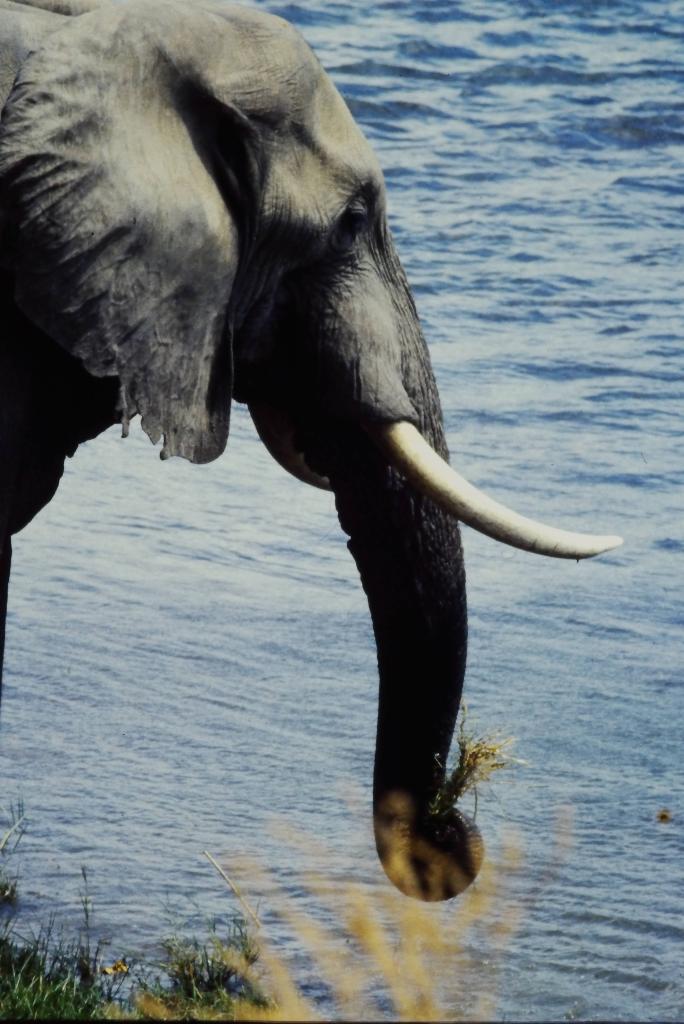
It’s mid- morning at Mana. Sometime around August 1994. Hot, probably over 40C, so we’re sitting in the shade with ample supply of water and a good book. There’s always movement and sound. Small herds of impala moving and grazing. Warthog alone or with families going about their business, whatever that may be, tails straight up in the air. the sound of birds and monkeys around and in the trees.
Every now and then the quiet is punctuated by a crash as an elephant pulls a branch off a tree, or a couple of animals disagree about something and snort, bark or growl. Its a slow, relaxing world.
Have a drink, put on a hat, grab the camera and I go for a stroll, to see what’s there for a photo.
And here’s an elephaaaant grazing off the lush wet vegetaion in the riverbank mud
He knows I am there, but he’s not worried, just keeps on snacking. I get this beautiful photo. Generally elephants are cool as long as you don’t harass them and get away when warned.
A couple of quick facts
Elephants consume over 200 kg of mixed vegetation in a day, along with up to 100 litress of water. So Mana Pools, on the banks of the Zambezi, with its lush vegetation is a reall good habitat for them.
Elephants have six sets of molars, one replacing the previous et as they wear down. Once the last set is gone they will starve to death, being unable to eat. Eating the soft vegetation from the river, as this elephant is doing will reduce wear, especially once the last set of teeth are wearing out.
Photo Notes
Our days of living in Zimbabwe predated digital photography. This image is part of my Memories Project, to scan all of the old negatives and transparencies I have. This is a scan of a slide, probably shot with my old Nikkormat and a 200mm lens on who knows what slide film (probably Fuji Chrome).
Add some sparkle to your walls. Have a look at my sale galleries.
The Memories Project
This post is part of the hairy1travels Memories Project – to capture those unseen negatives and transparencies from before my digital photography days.
Kudu in Hwange
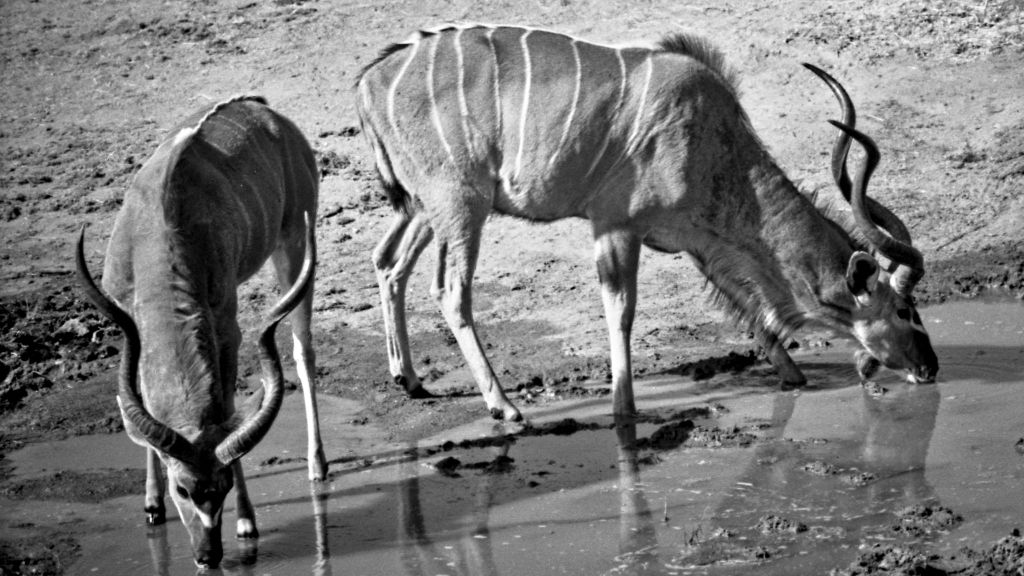
While cleaning up my photo archives, I came across a few scans of some old photos, taken in the Hwange National Park. These are a pair of Kudu Bulls at Big Tom’s Pan in the Robins Camp area of the park.
Situated in the south west of Zimbabwe, Hwange is Zimbabwe’s largest national park. It is accessible from the main Bulawayo – Victoria Falls road. Near the park at Hwange Safari Lodge, and in the park at Main Camp are facilities for tourists, though the park has other camps for the more intrepid traveller. (See Wikipedia entry for Hwange)
Living in Zimbabwe, it is common to load up the bakkie (light truck) and head for bush areas for a great few days away. Our own “hunting grounds” tended to be more to the north, however a trip to Hwange was always fun. Our chosen destination was the Robins Camp area, well away from the main tourist zones.
The park provides a number of waterholes, fed by boreholes, with viewing platforms. These pictures are from one such waterhole, known as Big Toms Pan, taken on a trip to Robins Camp in 1992. It’s a great way to spend a day, just watching the game coming down to drink.
There is a bit of a photography story to these photos. At that time film could be hard to get and sometimes expensive. At the last moment before leaving town I bought some cheap film. Now temperatures at Hwange can easily get above 40C in the car. All of the last minute film was damaged by heat! Not a problem I have seen with digital! As a result all of the colour was off. Years later the solution was to scan them and render them in black and white.
NOTE: A revised and corrected version of an old post.
A Pair of Kudu Bulls
The print is on my photo sites:

Redbubble:https://www.redbubble.com/shop/ap/115987701?asc=u
Photo4Me:https://shop.photo4me.com/883536/framed-mounted-print?o=21&e=12&s=315&u=mm&share=true
Fine Art America:https://jeremy-hayden.pixels.com/featured/a-pair-of-kudu-bulls-jeremy-hayden.html?
A link to all of my online photos on Linktree

What City is This?

So the question is What City is This?
Some may recognise these buildings. Suffice to say that I was there in about 1966, though obviously not in this picture. The flags may give it away to some.
One way or another, I will be in this city later today (7th October 2016). Old hunting grounds for me, I will be looking forward to seeing how it has changed over the years.
The photo, by the way, is part of a set taken by my Dad on a family holiday. We often went there when I was a youngster.
Dundee Sunset
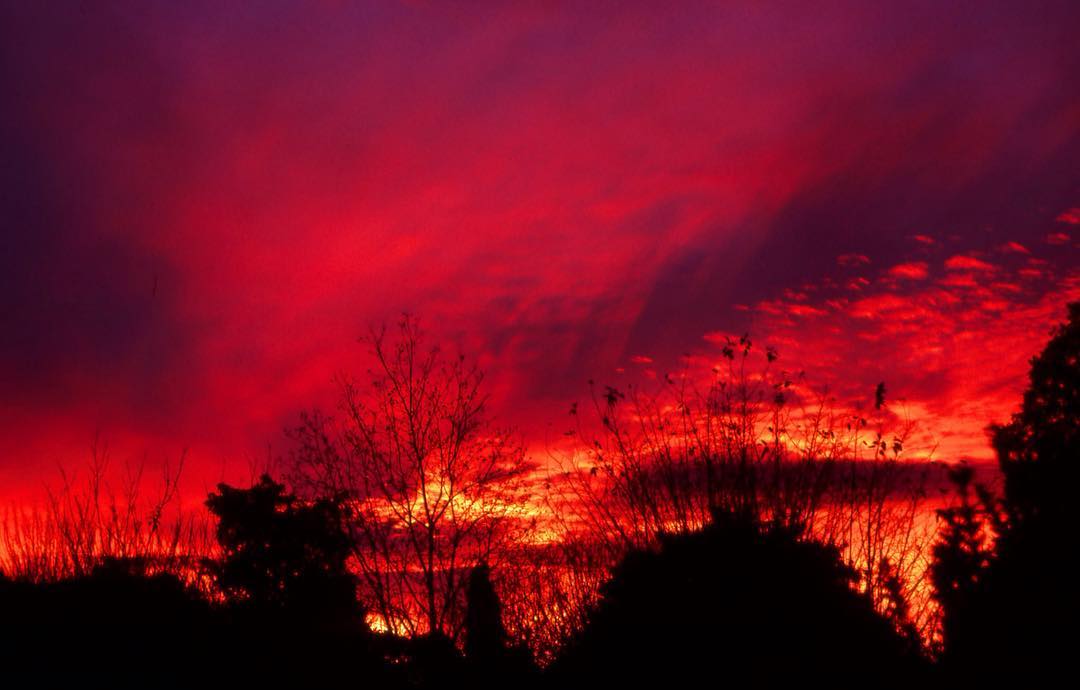
An incredible sunset taken in about 1988 in Dundee, South Africa.
Shot this originally on transparency film, but it was one that had to be scanned.
This was one of those times when I went outside and there it was. The picture just had to be taken.
h1t #sunset #southafrica #kwazulunatal #red #sundown via Instagram http://ift.tt/2cyNGVY
Add some sparkle to your walls. Have a look at my sale galleries.
The Memories Project
This post is part of the hairy1travels Memories Project – to capture those unseen negatives and transparencies from before my digital photography days.

 Hairy 1 Travels